
10 Monthly Bills You’re Overpaying (And How to Fix Each One Today)
Last Updated: May 2026 | Reading Time: 7 minutes
I went through my bank statements last year expecting to find one or two bills I could trim. I found seven. Seven bills where I was paying more than I needed to for the exact same service. Total damage? Over $340 a month I’d been silently throwing away.
The annoying part? Most of them took a single phone call or a 5-minute settings change to fix. I’d been overpaying for years out of pure autopilot.
Here are the 10 bills where most families are losing money — and exactly what to do about each one.
1. Car Insurance — Save $50–$100/month
This one blows my mind. Insurance companies literally charge you more the longer you stay with them. They call it “price optimization.” I call it punishing loyalty.
The fix: Get 3–5 quotes online. It takes 20 minutes. Most people save $30–$100/month just by switching or calling their current insurer with a competitor’s quote. While you’re at it, ask about discounts you’re probably missing — safe driver, low mileage, autopay, bundling. Raise your deductible to $1,000 if you have an emergency fund. If your car is older and worth under $5,000, consider dropping collision coverage entirely.
2. Streaming Services — Save $20–$50/month
Be honest: how many streaming services are you paying for right now? And how many did you actually open this week?
The average American spends about $69/month on streaming and nearly a third are paying for at least one service they never use. That’s money literally buying nothing.
The fix: Keep your top two. Rotate a third — subscribe, binge, cancel, switch to the next one. Downgrade to ad-supported tiers (Netflix with ads saves you $120/year alone). And check whether your phone plan already includes something you’re paying for separately — T-Mobile includes Netflix on some plans, Verizon includes Disney+ on others.
3. Cell Phone — Save $20–$60/month
If you’re paying $70–$100/month per line with a major carrier, you’re probably paying for data you don’t use. Check your actual usage — most people are on WiFi at home and work, which means they’re using way less cellular data than their plan includes.
The fix: Look at MVNOs like Mint Mobile, Visible, or Google Fi. They use the exact same towers as Verizon, AT&T, and T-Mobile but charge $15–$30/month. The coverage is identical. The savings are real. Also cancel that $15/month phone insurance — over two years, you’ll pay $360 in premiums for a plan that still charges you a $200 deductible.
4. Internet — Save $20–$50/month
Your internet provider raised your price after the promo ended. You didn’t notice because autopay covered it. Now you’re paying $80 for the same service a new customer gets for $50.
The fix: Call and say “I’ve been looking at [competitor] and they’re offering $49/month for the same speed.” Ask for the retention department. Most people get $20–$40 knocked off with a 15-minute call. Also — buy your own modem and router instead of renting theirs. That’s $10–$15/month you’ll never pay again after the equipment pays for itself.
5. Home/Renters Insurance — Save $30–$80/month
When’s the last time you shopped your insurance? If it’s been more than a year, you’re almost certainly overpaying. Premiums have jumped nearly $650 on average since 2021, and insurers aren’t volunteering to give you a better rate.
The fix: Get 3–5 quotes from different insurers or use an independent agent who shops for you. Bundle your auto and home policies for a 10–25% discount. Raise your deductible. Ask about discounts for security systems, smoke detectors, or new roofing. Five quotes, one afternoon, potentially hundreds saved per year.
6. Gym Membership — Save $30–$70/month
The entire gym industry is built on people not showing up. If you haven’t been in two weeks and this isn’t unusual, you’re donating money to a building you don’t visit.
The fix: Be brutally honest about your attendance. If you go regularly, switch to a budget gym like Planet Fitness for $10–$25/month. If you don’t go regularly, cancel and try free YouTube workouts with a $30 set of resistance bands. That’s less than one month’s premium gym fee and it lasts years.
7. Energy Bills — Save $20–$50/month
You’re probably wasting electricity on phantom loads (plugged-in devices you’re not using), an inefficient thermostat schedule, and peak-hour energy usage you don’t realize costs more.
The fix: Adjust your thermostat 3–5 degrees when you’re sleeping or at work — that alone saves up to 10% annually. Unplug devices you’re not using or get a smart power strip. Switch remaining old bulbs to LEDs. Ask your utility company about time-of-use pricing — running your dishwasher at 9 PM instead of 6 PM can save real money. And seal drafty windows and doors with $10 worth of weatherstripping.
8. Groceries — Save $100–$200/month
Groceries aren’t a fixed bill, but they’re one of the most controllable expenses in your budget. The biggest money drains: shopping without a list, brand loyalty, convenience products, and food waste. The USDA estimates American families waste 30–40% of the food they buy. That’s hundreds of dollars per month in the trash.
The fix: Meal plan for 15 minutes on Sunday. Switch to store brands (same quality, 25–40% cheaper). Stop buying pre-cut vegetables and individual snack packs — you’re paying a 30–200% convenience premium. Use cashback apps like Ibotta and Fetch Rewards. For the full strategy, check out our Grocery Budget Hacks guide.
9. Bank Fees and Low-Interest Savings — Save $20–$50/month
This is a double whammy. You might be paying $5–$15/month in checking account fees for a service that should be free. And your savings are probably sitting in an account earning 0.39% while high-yield accounts offer 4.5–5%.
On a $10,000 balance, that gap is over $400/year in interest you’re leaving on the table. For doing nothing differently except moving your money.
The fix: Switch to a no-fee checking account at Ally, SoFi, or Capital One 360. Move your savings to a high-yield account at the same bank or Marcus by Goldman Sachs. Set up overdraft alerts so you never pay another $35 overdraft fee. This takes about an hour to set up and pays you back every single month.
10. Forgotten Subscriptions — Save $15–$50/month
App subscriptions you downloaded once. Cloud storage you upgraded and forgot about. A news paywall you signed up for during an election. A free trial that quietly became a paid one.
Research shows that 57% of Americans feel they overspend on subscriptions, and the average person wastes about $17/month on services they rarely use.
The fix: Check your app store subscriptions right now (iPhone: Settings → your name → Subscriptions. Android: Play Store → profile → Payments). Go through your last 3 months of bank statements and highlight every recurring charge. Cancel anything you haven’t used in 30 days. You can always re-subscribe if you actually miss it. Spoiler: you won’t.
The Total
If you tackle even half of these, you’re looking at $200–$500/month back in your pocket. That’s $2,400–$6,000 per year. An emergency fund. A vacation. A serious dent in your debt.
And none of it requires earning a single extra dollar. You just stop giving money away for things you don’t use, don’t need, or could get cheaper.
Pick the one that bugs you most. Fix it today. Then do another one next week. By the end of the month, your bank account will look noticeably different — and you’ll wonder why you waited so long.
Related Posts on The Abundance Path
5 Subscriptions to Cancel Right Now. Grocery Budget Hacks: Feed a Family of 4 for $400/Month. The 50/30/20 Budget Rule: A Complete Guide. How to Save $1,000 in 30 Days. Best Free Budgeting Apps Ranked for 2026.
Did you find this helpful? Share it with someone who’s probably overpaying on at least three of these. Follow The Abundance Path for weekly money-saving strategies.
Disclaimer: Prices, rates, and provider offerings are subject to change. Always verify current details with your specific service providers.
More articles
 Savings
High-Yield Savings Accounts: Why Your Bank Is Quietly Costing You Money
Most banks pay almost nothing on savings. A high-yield savings account fixes that in one afternoon, no risk and no investing knowledge required.
Read → Budget
Buy Now, Pay Later Is Quietly Wrecking Your Budget (Here’s the Fix)
Buy now pay later feels harmless at checkout, but it's quietly wrecking budgets everywhere. Here's how the trap works and exactly how to fix it.
Read →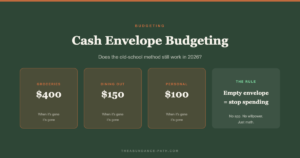 Budget
Cash Envelope Budgeting: Does the Old-School Method Still Work in 2026?
Stuffing cash into envelopes sounds outdated. But for people who overspend on cards, it's one of the most effective budgeting methods available. Here's the honest answer.
Read →